Introduction
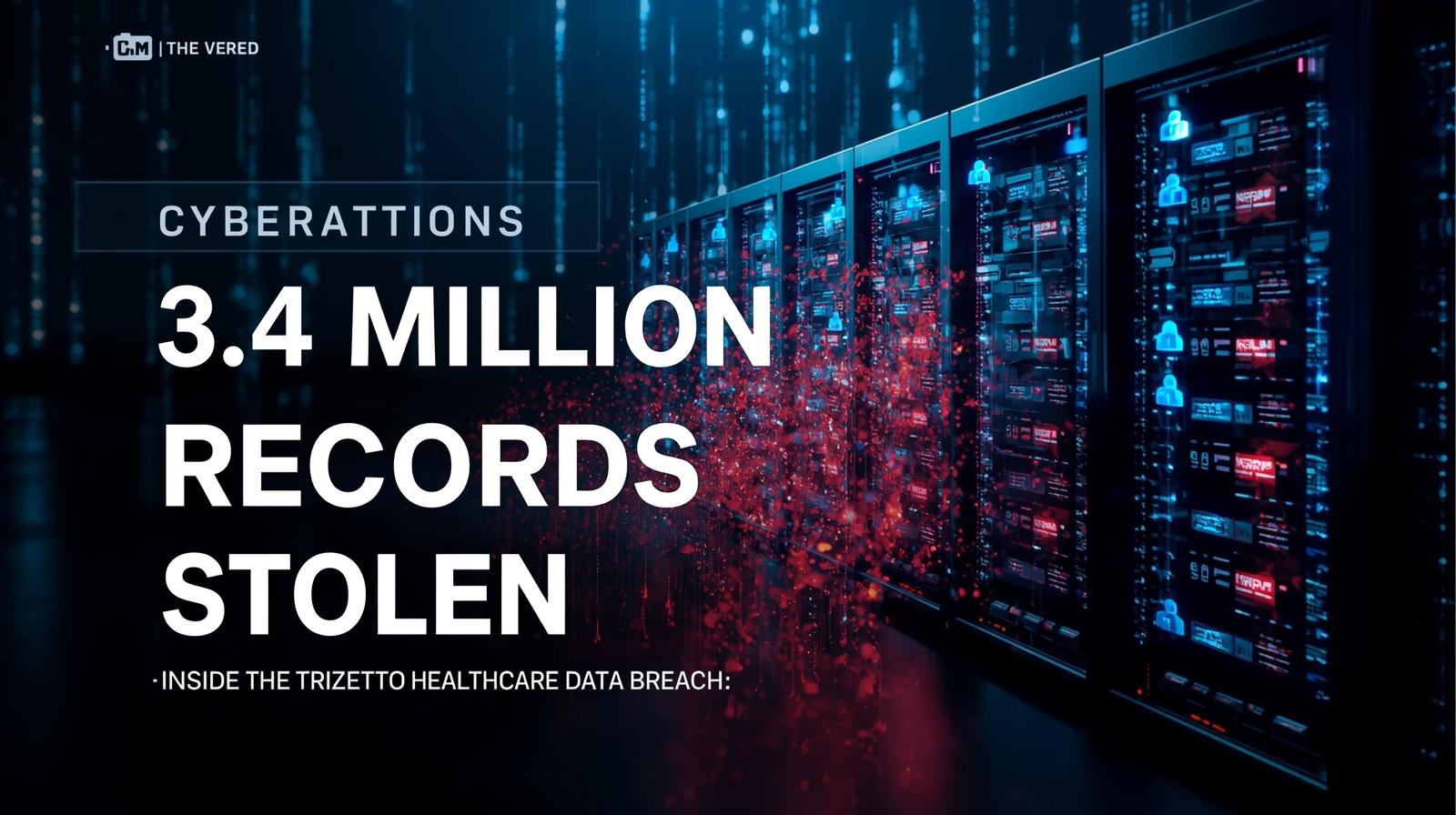
A major healthcare cybersecurity incident has exposed the sensitive data of millions of people. According to reporting tied to breach disclosures involving TriZetto — a healthcare technology subsidiary of Cognizant — a cyberattack that began in 2024 ultimately led to the theft of personal and medical information belonging to more than 3.4 million individuals.
Initial details surfaced through breach disclosures and regulatory filings, with reporting from technology media linking the final figure to public breach notifications submitted to regulators. Investigators believe attackers maintained access to affected systems for months before the intrusion was detected, raising serious concerns about monitoring gaps and systemic risks within healthcare technology infrastructure.
Healthcare breaches consistently rank among the most damaging cyber incidents because medical records contain extremely sensitive and long-lasting identifiers.
Unlike passwords or credit card numbers, medical and identity records often cannot easily be replaced or reset.
For patients, providers, and healthcare IT teams, the key questions now are urgent:
- What information was exposed?
- How serious is the risk?
- What should affected individuals do next?
The TriZetto Breach: What Happened?
TriZetto develops healthcare software platforms used by insurance providers, healthcare systems, and third-party administrators.
These systems support essential workflows including:
- claims processing
- billing management
- patient data exchange
- insurance operations
Because these platforms sit at the intersection of provider and insurer infrastructure, they often process massive volumes of highly sensitive patient data.
According to breach disclosures:
- The intrusion began in 2024
- Attackers remained inside systems for months
- 3.4 million individuals were affected
- The data exposure included personal and healthcare-related information
The breach was reportedly discovered after unusual activity triggered an internal investigation that uncovered unauthorized access to systems tied to healthcare data processing.
This delayed discovery highlights a common problem in healthcare cybersecurity: long attacker dwell times within complex vendor ecosystems.
What Information Was Stolen?
While breach notifications vary depending on the affected organizations, healthcare data breaches often involve a combination of personally identifiable information (PII) and protected health information (PHI).
Below is a ranking of typical healthcare breach data by downstream fraud risk.
Highest Fraud Risk
Social Security Numbers (SSNs)
If exposed, SSNs represent the most dangerous type of data because they enable:
- identity theft
- loan and credit fraud
- tax fraud
- medical identity theft
Unlike passwords, SSNs cannot easily be changed, making them extremely valuable to criminals.
High Risk
Health Insurance Information
Stolen insurance identifiers and policy data can allow criminals to:
- file fraudulent insurance claims
- obtain medical treatment under another person’s identity
- purchase prescriptions or medical equipment
Medical identity theft often remains undetected for years.
Moderate Risk
Personal Identifiers
These include:
- full name
- home address
- date of birth
- phone numbers
While individually less dangerous, these data points can enable targeted phishing attacks or account takeover attempts when combined with other leaked information.
Lower but Sensitive Risk
Medical History and Treatment Records
These may include:
- diagnosis codes
- treatment information
- prescription history
Although not always directly usable for financial fraud, such information can be exploited for extortion, insurance scams, or social engineering attacks.
Why Healthcare Vendors Create Third-Party Concentration Risk
One reason incidents like the TriZetto breach become so large is the third-party concentration effect.
Healthcare vendors frequently operate platforms used by dozens or hundreds of organizations simultaneously.
When a single vendor platform is compromised, the impact can cascade across multiple sectors of the healthcare ecosystem.
How the Risk Cascades
| Layer | Example Role |
|---|---|
| Healthcare Providers | Hospitals, clinics |
| Payers | Insurance companies |
| Technology Vendors | Claims processing, billing software |
| Infrastructure | Cloud platforms and storage systems |
If attackers compromise the vendor layer, data belonging to multiple downstream organizations may be exposed.
This model has contributed to several major healthcare breaches over the past decade.
Why Did Detection Take So Long?
One of the most concerning details of the incident is the extended detection window.
Cybersecurity researchers frequently observe attackers remaining inside networks for weeks or months before discovery.
Several factors contribute to delayed detection.
Complex Healthcare IT Environments
Healthcare systems often rely on a mix of:
- legacy software
- third-party integrations
- massive data warehouses
These environments can make anomaly detection difficult.
Limited Security Visibility
Many vendor platforms prioritize reliability and regulatory compliance, but may lack robust real-time security monitoring.
This can allow attackers to move laterally across systems without triggering alarms.
Credential Abuse and Stealth Techniques
Modern attackers frequently rely on techniques such as:
- stolen login credentials
- living-off-the-land tools
- legitimate administrative utilities
These tactics help attackers blend into normal network activity.
Understanding Breach Disclosure Timelines
Patients often ask why breach notifications appear months after an attack occurs.
In the United States, healthcare organizations must follow federal breach notification rules under HIPAA.
Typical Breach Reporting Process
- Intrusion detected
- Forensic investigation begins
- Scope of data exposure determined
- Legal and regulatory review
- Public breach notifications issued
Organizations generally must notify affected individuals within 60 days after confirming a breach, though investigations can take time.
This means the attack itself may occur long before public disclosure.
Impact on Healthcare Providers and Insurers
While patients face identity theft risks, the operational consequences for healthcare organizations can also be significant.
Financial and Regulatory Fallout
Breaches often trigger:
- regulatory investigations
- class-action lawsuits
- incident response costs
- mandatory cybersecurity upgrades
Healthcare organizations may also face contractual disputes with vendors when breaches originate within third-party platforms.
Operational Disruption
Depending on the severity of the incident, providers may experience:
- billing interruptions
- delayed claims processing
- reimbursement delays
In extreme cases, cyber incidents can affect patient care operations.
What Patients Should Do After the TriZetto Breach
If your data may have been exposed, proactive steps can help reduce fraud risk.
Post-Breach Protection Checklist
1. Watch for Official Notifications
Healthcare providers or insurers should notify affected individuals explaining what information was exposed.
2. Monitor Credit Reports
Look for unfamiliar credit inquiries or accounts.
3. Consider a Credit Freeze
A credit freeze prevents new accounts from being opened without your approval.
4. Review Insurance Statements
Watch for unfamiliar treatments or claims.
5. Be Alert for Phishing Attempts
Attackers frequently launch phishing campaigns following major breaches.
Avoid suspicious links claiming compensation or breach support.
Why Healthcare Breaches Keep Growing
Healthcare data remains extremely valuable in cybercrime markets.
A single medical record may contain:
- personal identity data
- insurance information
- medical history
- billing records
This makes healthcare organizations prime targets for ransomware groups and cybercriminal networks.
Additionally, the sector often relies on older infrastructure and complex vendor ecosystems, increasing the number of potential attack surfaces.
The Bigger Lesson: Vendor Security Is Now a Healthcare Risk
The TriZetto incident highlights a broader shift in cybersecurity risk.
Organizations are increasingly only as secure as their software supply chain.
In healthcare, where vendors process millions of records across many organizations, a single compromise can quickly escalate into a multi-million-record breach.
For healthcare providers and insurers, the takeaway is clear:
- strengthen vendor risk management
- improve monitoring and detection
- extend cybersecurity accountability across the ecosystem
Conclusion
The confirmation that more than 3.4 million health records were exposed in the TriZetto breach underscores the growing cybersecurity challenges facing healthcare technology vendors.
For patients, the risks include identity theft and insurance fraud.
For healthcare organizations, the incident highlights the operational and regulatory consequences of third-party cyber incidents.
As healthcare systems become increasingly digital, protecting patient data will require stronger vendor security standards, improved monitoring, and faster breach detection across the entire healthcare ecosystem.
Related Reading
- The Rise of Healthcare Ransomware: Why Hospitals Are Prime Targets
- How Medical Identity Theft Works — And How to Protect Yourself