Introduction
Imagine receiving a phone call from a loved one in distress. The voice sounds exactly like your child, spouse, or parent. They say they are in trouble and urgently need money.
But the voice may not belong to them.
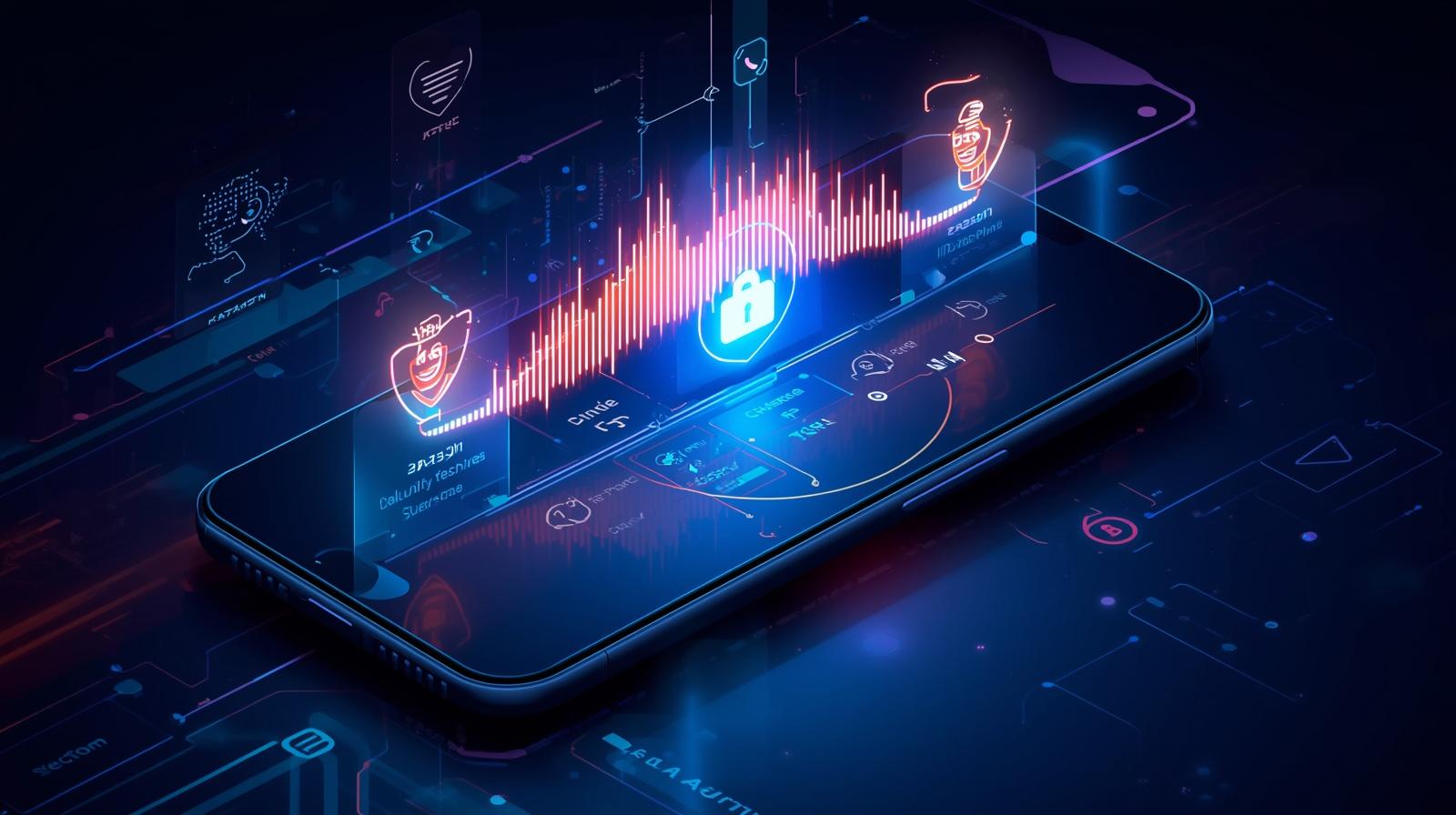
Cybersecurity experts warn that AI voice cloning scams are rising, allowing criminals to impersonate real people with startling accuracy. Using artificial intelligence tools, attackers can replicate someone’s voice from just a few seconds of audio.
These scams—sometimes called deepfake phone scams—combine social engineering with AI-generated voices to manipulate victims into sending money or revealing sensitive information.
As voice cloning technology becomes more accessible, understanding how these scams work has become essential for consumers and families.
How AI Voice Cloning Works
Voice cloning uses artificial intelligence models trained to reproduce human speech patterns.
These systems analyze characteristics such as:
- pitch and tone
- accent and pronunciation
- speaking rhythm
- emotional inflection
After analyzing a small sample of audio, the AI model can generate new speech that sounds remarkably similar to the original person.
Where Attackers Get Voice Samples
Criminals often collect voice samples from publicly available sources such as:
- social media videos
- podcasts
- voicemail greetings
- online interviews
- messaging apps
Even a short recording—sometimes less than a minute—can provide enough data for modern AI voice cloning systems.
Once the voice model is created, attackers can generate speech in real time or produce prerecorded messages.
Why Voice Cloning Scams Are Effective
Traditional phone scams rely on impersonation, but AI has made these attacks far more convincing.
Several factors make voice cloning scams particularly dangerous.
Emotional Manipulation
Many scams involve urgent scenarios designed to trigger panic.
Examples include:
- a family member claiming they were arrested
- a relative saying they were involved in a car accident
- a child saying they were kidnapped
These scenarios pressure victims to act quickly without verifying the situation.
Realistic Voice Imitation
Hearing a familiar voice significantly increases credibility.
Even if the message sounds unusual, the recognizable voice can convince victims the call is genuine.
Caller ID Spoofing
Attackers may also use caller ID spoofing to make the call appear as if it is coming from a known phone number.
This combination of voice cloning and number spoofing can create highly convincing impersonation attacks.
Real Examples of AI Voice Scam Tactics
Voice cloning scams have been reported in several variations.
The “Family Emergency” Scam
In one common scenario, attackers call a victim pretending to be a relative in distress.
The caller claims they need immediate financial help for:
- bail money
- medical expenses
- emergency travel
Victims are often instructed to send money through:
- wire transfers
- cryptocurrency
- gift cards
Because these payment methods are difficult to reverse, victims may lose funds permanently.
The “Kidnapping” Scam
Another version involves a fake kidnapping scenario.
Attackers may play an AI-generated voice of a child or family member crying in the background while demanding ransom.
These calls are designed to cause panic and prevent victims from verifying the situation.
Business Impersonation Attacks
Voice cloning is also being used in corporate fraud.
Attackers may impersonate executives or managers to instruct employees to:
- transfer funds
- share confidential information
- approve financial transactions
This technique is sometimes referred to as voice-based business email compromise.
Why AI Voice Cloning Is Becoming More Accessible
Several factors are driving the growth of voice cloning scams.
Advances in AI Technology
Recent improvements in machine learning models have dramatically improved voice synthesis quality.
Modern systems can produce natural-sounding speech with minimal training data.
Publicly Available AI Tools
Voice cloning technology is increasingly available through online platforms.
Some tools are designed for legitimate uses such as:
- voice acting
- accessibility technology
- content creation
However, attackers can also misuse these tools for fraud.
Large Amounts of Public Audio
The internet contains enormous amounts of voice recordings from social media, streaming platforms, and video sites.
This makes it easier for attackers to collect voice samples.
Warning Signs of an AI Voice Scam
Recognizing suspicious calls can help prevent voice cloning fraud.
Potential warning signs include:
Urgent Financial Requests
Most scams involve immediate requests for money or payment.
Legitimate emergencies rarely require instant financial transfers through unusual methods.
Requests for Secrecy
Attackers often instruct victims not to tell anyone about the situation.
This tactic prevents victims from verifying the story.
Payment Through Unusual Methods
Scammers frequently request payment through:
- gift cards
- cryptocurrency
- wire transfers
These payment methods are difficult to trace or recover.
How to Verify Suspicious Phone Calls
The most effective defense against voice cloning scams is verification.
Hang Up and Call Back
If you receive a suspicious call, end the conversation and contact the person directly using a trusted phone number.
Do not rely on the number displayed during the call.
Ask a Personal Question
Ask a question that only the real person would know.
For example:
- a family memory
- a shared experience
- a personal detail not available online
This can quickly expose impersonation attempts.
Establish a Family Code Word
Some families establish a private code word used only during emergencies.
If someone claims to be in distress, ask for the code word to confirm their identity.
Verify With Another Person
If the call claims another family member is involved, contact that person independently.
Multiple confirmations reduce the risk of fraud.
How to Reduce Your Exposure to Voice Cloning
While it is impossible to eliminate all risk, several steps can reduce vulnerability.
Limit Public Voice Recordings
Consider how much audio content you share online.
Public videos and voice recordings can provide attackers with training material.
Protect Social Media Accounts
Restrict access to personal content when possible.
Private accounts reduce the ability of attackers to collect voice samples.
Educate Family Members
Discuss voice cloning scams with family members, especially older relatives who may be targeted by fraud schemes.
Awareness is one of the most effective defenses.
The Future of AI Voice Fraud
Voice cloning technology will likely continue to improve.
Researchers are working on tools that can detect AI-generated voices by analyzing subtle patterns in speech synthesis.
Future defenses may include:
- AI systems that detect synthetic voices during calls
- voice authentication technologies
- improved fraud monitoring systems
However, criminals are also adapting their techniques, creating an ongoing security challenge.
Conclusion
AI voice cloning scams represent a new evolution of social engineering attacks.
By combining artificial intelligence with traditional phone scams, attackers can impersonate trusted voices and create convincing emergency scenarios.
Although the technology behind these scams is sophisticated, the defense often comes down to simple steps: slow down, verify the call, and never send money based on a single phone conversation.
As AI tools become more powerful, awareness and verification will remain the most effective ways to protect against voice impersonation fraud.
Related Reading
- Passkeys Are Replacing Passwords — But New Attacks Are Already Emerging
- Malicious Browser Extensions Are Stealing User Data — Why Your Chrome Add-Ons Could Be a Risk
- Prompt Injection Attacks Are the New AI Security Threat — Here’s How They Work
External Resources
- Consumer protection guidance on AI fraud
- Government cybersecurity advisories on voice scams
- Research on deepfake audio detection technologies
Potential Sources to Verify
- Cybersecurity research on voice cloning fraud
- Consumer protection agency fraud reports
- Academic research on synthetic voice detection
- Reports from cybersecurity firms on AI-enabled scams